
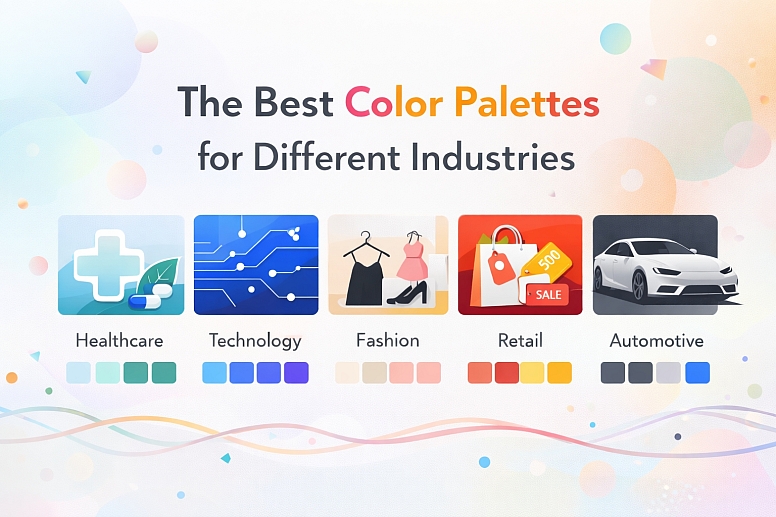
The Best Color Palettes for Different Industries
Color is a foundational element of brand strategy, capable of communicating core values, building trust, and attracting a specific audience.
The optimal palette is not a matter of personal taste but a calculated decision rooted in industry psychology, user expectation, and competitive positioning. A well-chosen color scheme creates immediate, non-verbal alignment with what a company offers and promises.
- Healthcare: Palettes prioritize trust, calm, and clarity, heavily favoring blues and greens balanced with clean neutrals.
- Technology: Schemes emphasize innovation, reliability, and forward-thinking, with blue dominating and dynamic accents for energy.
- Fashion: Palettes are expressions of brand identity, ranging from timeless neutrals to bold, trend-driven statements.
- Retail: Colors are directly tied to the target demographic and value proposition, from high-energy reds to sophisticated blacks.
- Automotive: Palettes combine classic, trustworthy neutrals with bold statements that convey performance, luxury, or innovation.
The Strategic Role of Industry-Specific Color
Color choice in branding is a form of non-verbal communication that sets immediate expectations. In healthcare, an industry built on vulnerability and trust, a jarring or overly aggressive palette can create subconscious anxiety. In fashion, a muted, safe palette may fail to convey the desired creativity or edge. The stakes are high; color influences perception, which in turn influences consumer choice and loyalty.
The real-world impact is measurable. For example, a retail study analyzing over 600 design projects found that while newcomers often avoid "crowd-pleasing" colors, industry leaders overwhelmingly use red to capture attention and signal excitement. This demonstrates that color is not just artistic but a commercial tool; a correctly deployed palette can align with ingrained consumer psychology to drive recognition and sales. The goal is to select colors that do not just look appropriate but perform a function: to calm, to excite, to assure, or to inspire.
The Psychology and Data Behind Industry Color Trends
The prevalence of certain colors in an industry is not accidental. It is the result of deep-seated psychological associations and demonstrated effectiveness.
1. Healthcare: The Imperative of Trust and Calm: The primary function of healthcare color is to reduce anxiety and build credibility. Data shows blue appears in 85% of industry-leading healthcare company logos, as it is overwhelmingly associated with stability, safety, and trust. This is especially critical in fields like insurance and hospitals, where reassurance is paramount.
- Supporting Colors: Green is the second-most popular, evoking growth, nature, and tranquility. White signifies cleanliness, purity, and clarity, providing essential visual space.
- Critical Nuance: Research into patient preferences in medical settings shows a strong inclination toward cool colors (49%) and muted tones (14%) over bright ones (7%). This informs the modern trend in health-tech and telehealth, where palettes often balance a trust-building core blue or green with muted beiges, warm grays, and soft accent colors for a more approachable, contemporary feel.
2. Technology: Communicating Intelligence and Innovation: The tech industry uses color to bridge the gap between complex capability and user-friendly reliability. Blue is the "king of colors" here as well, representing intelligence, trustworthiness, and maturity; essential traits for companies handling data or providing essential services.
- Dynamic Accents: While blue forms a stable foundation, tech palettes frequently introduce energetic accents like orange, bright green, or magenta. These colors inject a sense of innovation, creativity, and forward momentum, preventing the brand from feeling sterile or corporate.
- Modern Gradients: A common technique is the use of color gradients (e.g., blue-to-pink, purple-to-teal), which visually represent fluidity, connectivity, and advanced capability.
3. Fashion: The Expression of Brand Identity: Fashion color is intrinsically linked to brand narrative and seasonal expression. Unlike other industries, there is no single dominant hue; the palette is the identity.
- Luxury & Timelessness: High-end and minimalist brands often build on a core of neutrals: black, white, charcoal, and beige. This projects sophistication, versatility, and understated elegance.
- Brand Signature & Emotion: Colors are chosen to evoke a specific mood. A brand like Joah Brown uses cool tones (soft greys, blues, deep greens) to cultivate a relaxed, effortless chic. In contrast, a streetwear label like Represent might use dark, moody tones accented with vibrant pops to project an edgy, contemporary energy.
- Seasonal and Trend Influence: Fashion palettes must also align with seasonal timing (lighter brights for spring, deeper rich tones for fall) and broader color trends, balanced with timeless elements for longevity.
4. Retail: A Direct Signal of Value and Audience: Retail color is a direct communication tool for a store's price point, energy, and target customer. Data reveals a clear strategic divide.
- Mass Appeal and Value: Brands like Walmart use blue (welcoming, trustworthy) paired with a muted yellow (denoting affordability) to signal value to a general audience.
- Energy and Youth: Brands like Target leverage red, the color of excitement and stimulated appetite, to project a playful, youthful, and energetic vibe.
- Sophistication and Luxury: Brands like Nordstrom rely on black and white to communicate cutting-edge style, sophistication, and an upscale experience.
5. Automotive: Conveying Performance and Identity: Automotive color palettes balance the need for classic, trustworthy appeal with the desire to make a personal or performance statement.
- Classic Neutrals: Whites, blacks, grays, and silvers dominate for their timelessness, perceived safety, and association with quality and resale value.
- Bold Statements: Blues, deep reds, and vibrant greens are used to convey personality, innovation, or sportiness. Industry forecasts, like those from BASF, regularly predict new statement hues that reflect broader cultural trends.
A Comparative Analysis of Industry Color Strategies
| Industry | Primary Psychological Goal | Most Common / Effective Colors | Typical Palette Structure | Example Brands & Logic |
|---|---|---|---|---|
| Healthcare | Build trust, reduce anxiety, ensure clarity. | Blue, Green, White. | A dominant cool, calming primary color (blue/teal) balanced with ample white space and clean neutrals. | UnitedHealth (Blue): Maximal trust for insurance. Spring Health (Green): Tranquility for mental wellness. |
| Technology | Signal reliability while expressing innovation. | Blue, with accents of Orange, Green, or Purple. | A stable blue base combined with a vibrant complementary or triadic accent for energy. | Trust-building blue foundation with a bold orange or magenta accent to denote creativity and dynamism. |
| Fashion | Express brand identity and evoke emotion. | Varies wildly: Neutrals, Bold Hues, Pastels. | Built around a core story: neutrals + 2-3 signature colors, with seasonal accent shades. | Fear of God (Neutrals): Timeless luxury. Represent (Dark tones + Pops): Edgy, urban style. |
| Retail | Attract the target demographic and communicate value. | Red, Blue, Black, White. | High-contrast, simple combinations that instantly signal brand position. | Walmart (Blue/Yellow): Value for all. Target (Red): Youthful energy. Nordstrom (Black): Sophistication. |
| Automotive | Project reliability, performance, or luxury. | White, Black, Gray, Blue, Red. | Sleek, modern combinations ranging from monochromatic classics to metallic or bold statement colors. | Classic neutrals for mass appeal; vibrant blues or reds for performance lines; custom matte finishes for luxury. |
Advanced Considerations for Cross-Industry Application
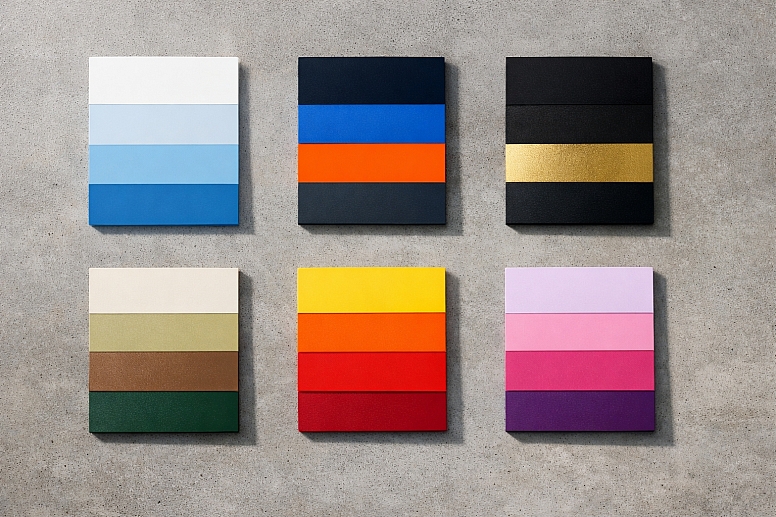
For experts, the application goes beyond selecting hues. Cultural Connotations must be evaluated for global brands; a trust-building blue may need adjustment for regional preferences. Accessibility is non-negotiable, particularly in healthcare and tech; contrast ratios for text and interactive elements must meet WCAG guidelines to ensure usability for all.
Furthermore, the "Ownability" of a Color within a saturated market is a key challenge. When every fintech uses blue, a brand must consider how to own a specific shade or combine it in a unique way to stand out. This often leads to more sophisticated secondary palettes and distinctive uses of texture and gradient.
Finally, Trend Anticipation versus Timelessness requires balance. While fashion must evolve seasonally, a bank or hospital should avoid trendy colors that may quickly date its brand. The most resilient palettes often use a timeless core (e.g., navy blue, deep green) with trend-informed accents in flexible applications like marketing campaigns.
Common Pitfalls and Misconceptions
Misconception: "Our industry's standard color is the only option." While industry trends are powerful guides, slavish adherence leads to commoditization. The most memorable brands often unexpectedly use the expected color or introduce a strategically contrasting accent to carve a unique niche (e.g., a tech company using blue but owning a specific shade of coral).
Pitfall: Prioritizing Personal Preference Over Strategy. Choosing a brand's colors because the founder "likes" them is a common error. Every selection must be justified by how it supports the brand's position, differentiates from competitors, and resonates with the target audience's psychology.
Misconception: "A Color Palette is Just About the Logo." The palette must function as a holistic system across all touchpoints: website, app UI, product packaging, physical environments, and marketing materials. In healthcare, for instance, the calming palette must translate seamlessly from a website to a waiting room.
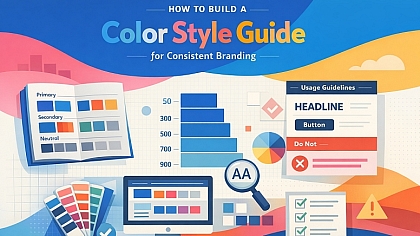
Pitfall: Ignoring Palette Architecture. A successful palette requires structure: primary, secondary, and accent colors, plus neutrals. Without clear rules, the application becomes inconsistent. For example, a fashion brand must define its core neutrals and signature colors to maintain cohesion across diverse collections.
A Method for Selecting an Industry-Appropriate Palette
- Audit Competitors and Leaders. Map the color landscapes of your top 5 competitors and 5 industry leaders. Identify the dominant hues and note any gaps or overused combinations.
- Define Your Brand's Strategic Position. Are you the trusted leader, the disruptive innovator, the affordable option, or the luxury experience? Your position dictates your color's emotional job.
- Anchor with an Industry-Resonant Primary Color. Based on steps 1 and 2, select a primary color that aligns with core industry psychology (e.g., blue for trust in healthcare/tech) but in a shade that fits your brand personality (e.g., a softer teal for a modern clinic, a deep navy for a financial tech firm).
- Differentiate with Secondary and Accent Colors. Choose supporting colors that add necessary dimension or differentiation. This is where you can strategically deviate from the norm, introducing an earthy green in tech for a "sustainable" angle or a warm metallic in fashion for luxury.
- Establish a Neutral Foundation. Select a suite of neutrals (whites, grays, beiges, blacks) that complement your primary palette and provide functional backgrounds for content and UI elements.
- Document the System with Strict Rules. Create a brand guideline that specifies exact color values (HEX, CMYK, Pantone) and defines usage: "Primary Blue is for headlines and primary buttons; Accent Orange is only for high-priority alerts and promotional tags."
- Test for Accessibility and Context. Verify all text-background pairings meet WCAG AA contrast standards. View the palette in various applications (digital screen, print mockup) to ensure it performs consistently.
Questions on Industry Color Palettes
Can a brand successfully use a color outside its industry norm? Yes, but it must be a deliberate and well-supported strategic decision. For instance, a healthcare startup focusing on energy and empowerment for young adults might use a vibrant coral as a primary color, but it would still need to layer it with ample clean white and trustworthy typography to maintain a sense of competence. The deviation must be the message.
How many colors should be in a core brand palette? A functional core palette typically has 5-7 colors: 1-2 primaries, 2-3 secondaries/accents, and 2-3 neutrals. This provides enough range for sophisticated design without becoming chaotic or difficult to manage.
How important are color trends (like Pantone's Color of the Year)? Their importance varies by industry. In fashion and consumer retail, they are highly influential for seasonal collections. In more conservative sectors like finance or healthcare, they may only be used subtly in annual marketing campaigns, if at all. The core brand colors should be timeless; trends can refresh accents.
Does color psychology work the same across all cultures? No, this is a critical limitation for global brands. While some associations, like blue for trust, are widespread, others vary significantly. For example, white symbolizes purity in some cultures and mourning in others. International brands must conduct localized research or adopt a palette with broadly positive or neutral connotations.
LEAVE A COMMENT
Recent Posts


0.0514